Advice
How Much Bigger Should Foam Be Than a Cushion Cover?
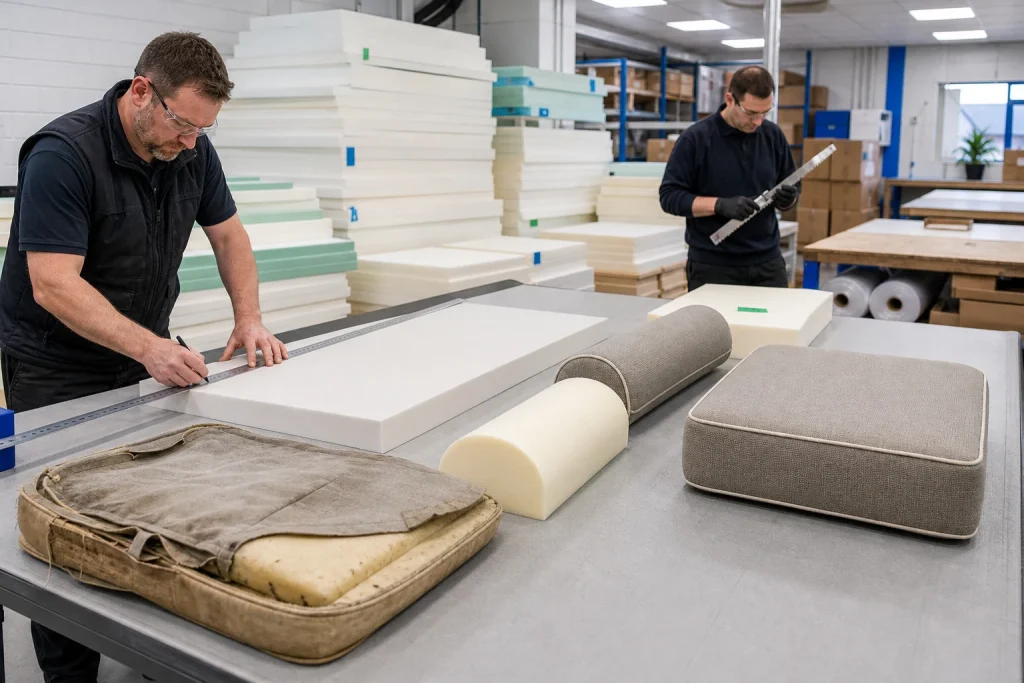
When replacing cushion foam, it can be tempting to order a piece that matches the exact measurements of the cushion cover. In practice, though, foam is often cut slightly larger

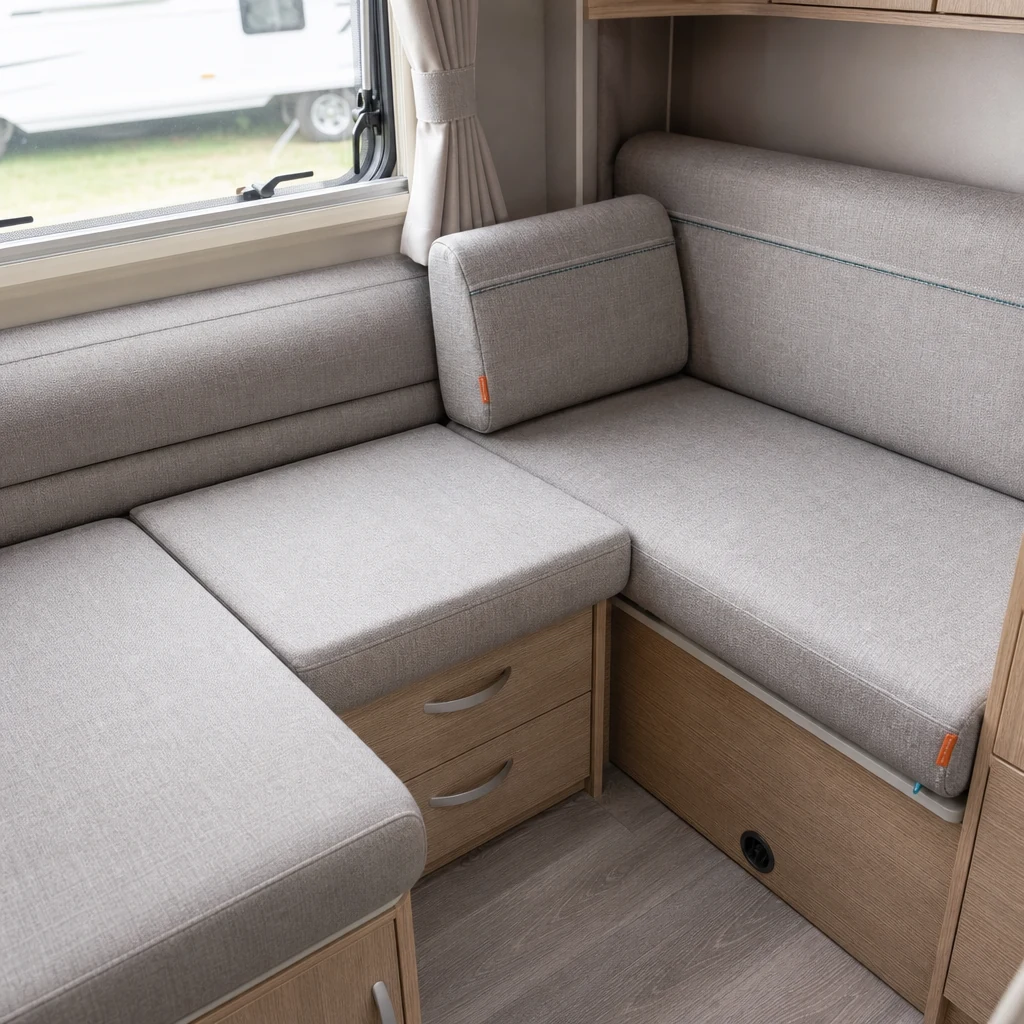
Caravan seating has to work harder than most household seating. The same cushions may be used for morning coffee, long stretches of sitting, evening lounging and, in many layouts, sleeping at night.
That is why caravan seat foam replacement is worth thinking about in individual pieces, not as one generic foam order. Density, thickness, shape and edge detail all affect how the cushion feels after several hours on the road or a full night’s rest.
A caravan cushion is often thinner, more tightly fitted and more multi-purpose than a sofa cushion. It may sit on a boxed base, bridge a pull-out bed section, fit around a table pedestal, or meet other cushions to create a flat sleeping surface. Small changes in foam choice can therefore feel very noticeable.
When foam is too soft, the cushion can compress quickly and allow the base underneath to be felt. When it is too firm, it may feel supportive at first but uncomfortable after a long sit. The aim is not simply to choose the firmest foam available. It is to match the foam to the cushion’s job, the user’s preference and the way the seating converts.
This is where individual specification matters. A back cushion, base cushion, bolster, window seat and bed infill do not all need to behave in the same way. Replacing each caravan cushion according to its actual role usually gives a better result than ordering a single foam type for everything.
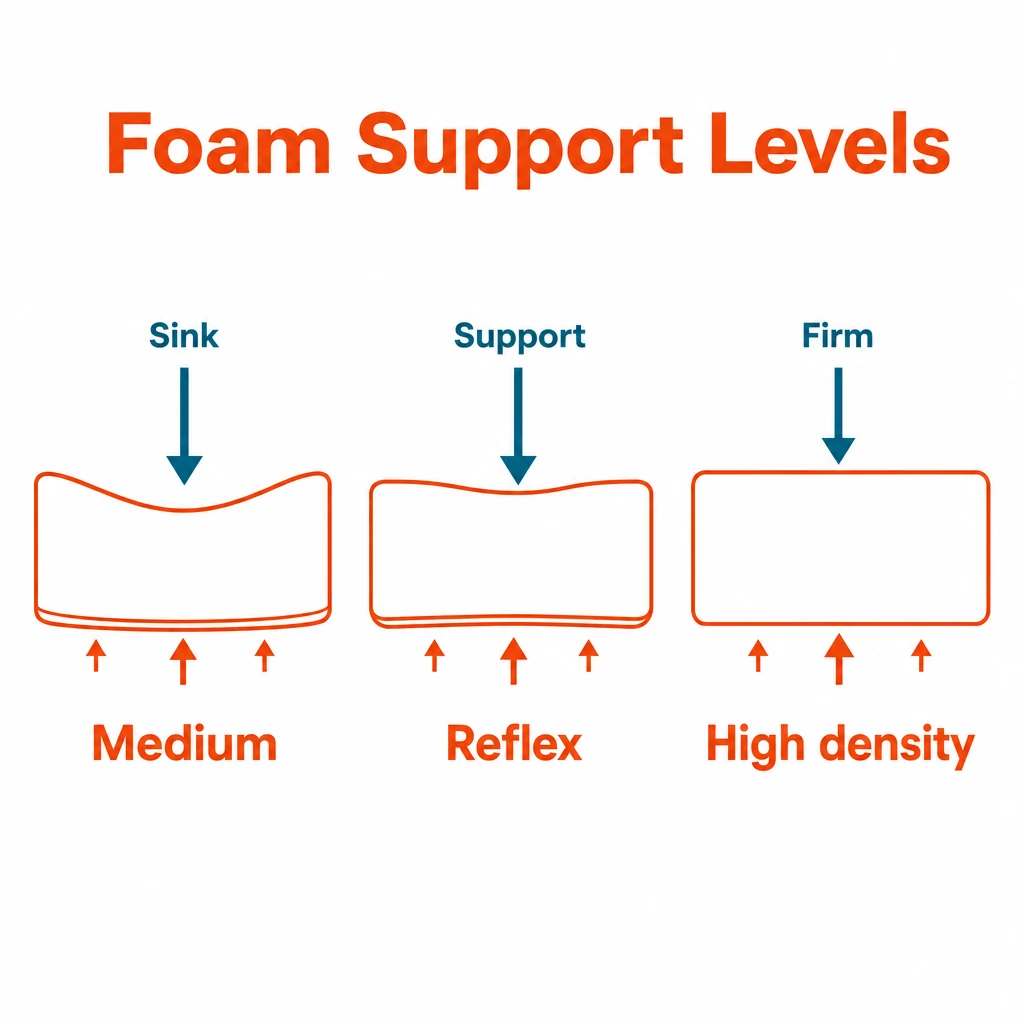
Foam density is one of the main factors behind comfort and durability. In practical terms, density affects how substantial the foam feels, how well it holds its shape and how suitable it is for repeated use. It should not be confused with firmness alone, because two foams can feel different even when they are described in similar everyday terms.
For seat bases that take regular weight, High Density Foam is often considered where stronger support and shape retention are priorities. It can help a caravan seat feel more stable, especially on cushions used every day during a trip. For back cushions, lighter-use areas or softer comfort layers, Medium Density Foam may be a more comfortable fit, depending on the layout and preference.
The best choice also depends on thickness. A thin cushion has less foam depth to absorb pressure, so the specification matters more. A deeper cushion can often offer more comfort options, but it still needs to fit neatly into the existing covers and not raise the seating height awkwardly.
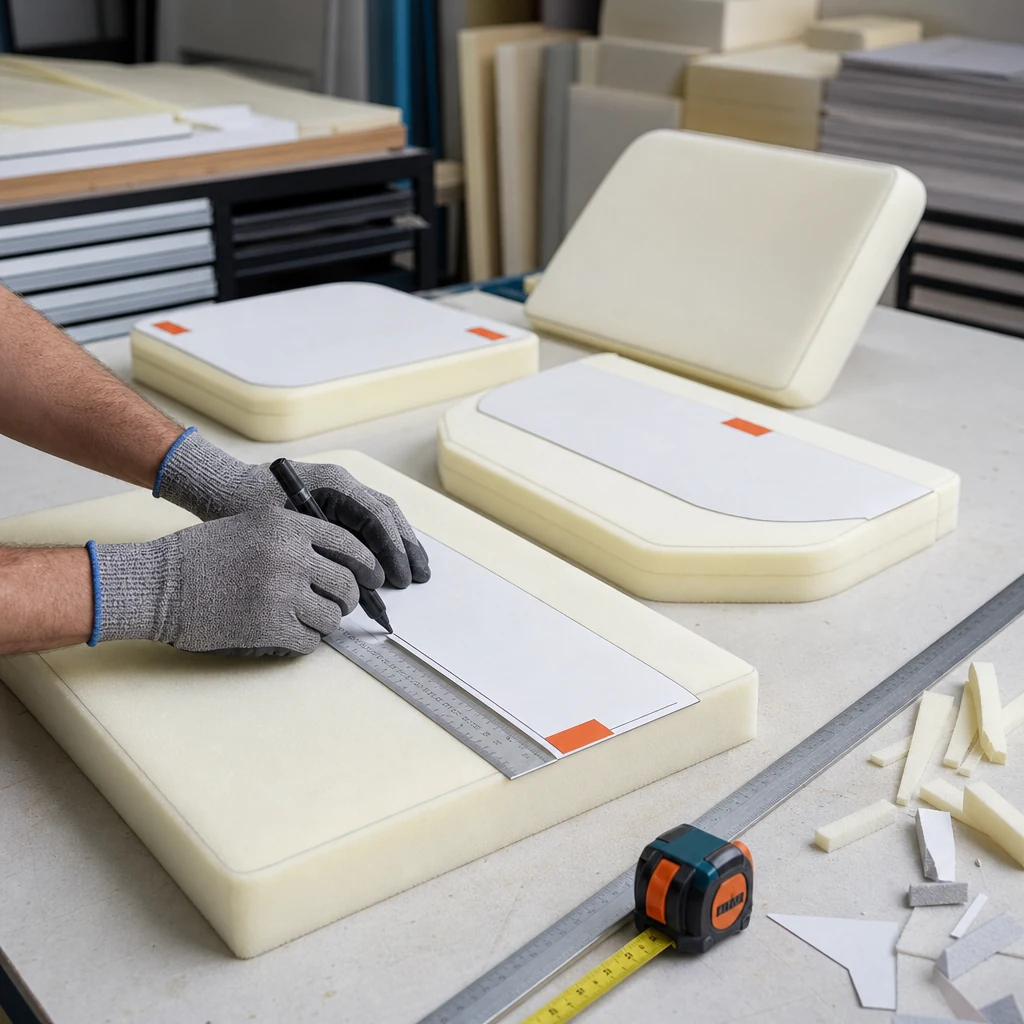
Shape is just as important as foam grade. Caravan seating is full of small details: angled backs, clipped corners, curved fronts, narrow infill pieces and shaped side cushions. These details help cushions sit neatly against walls, cupboards and frames, but they also affect comfort.
A square seat base that should have clipped corners may bunch inside the cover or leave pressure points where it meets the frame. A window seat cushion that is not cut to the correct shape may slide, twist or leave gaps. For layouts with angled corners, ordering a properly cut Clipped Window Seat can help the cushion sit cleanly in position without relying on the cover to force the shape.
Sleeping comfort depends heavily on how separate cushions meet. If one cushion is thicker, softer or cut differently from the others, the bed surface can feel uneven. That does not mean every cushion must be identical. It means the pieces that form the sleeping area need to be planned together, with attention to height, edge alignment and how the joins feel under the body.
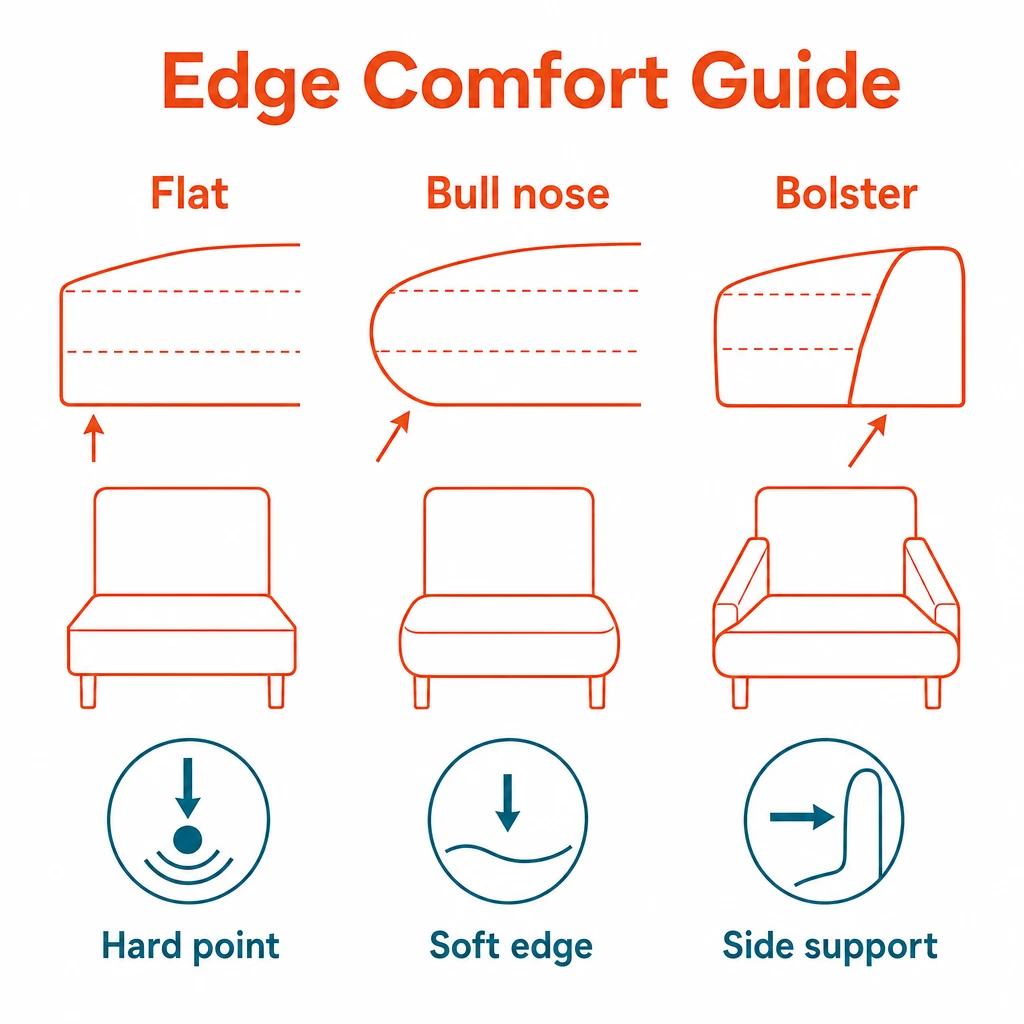
Edge details can make a big difference to how a caravan seat feels over time. A plain square front edge may be perfectly fine in some layouts, but in others it can press against the backs of the legs, particularly when the seating base is high or the cushion projects slightly beyond the frame.
A Bull Nose Cushion has a rounded front edge, which can give the seat a softer feel where the legs meet the cushion. It is a small design choice, but it can help the cushion feel more finished and comfortable during longer periods of sitting.
Bolsters have a different role. A clipped bolster can provide side support, shape a corner area or make a lounging position more comfortable. A well-cut Clipped Bolster Cushion can also help awkward spaces feel more intentional, especially where seating has to follow the structure of the caravan. The important point is to treat bolsters as functional comfort pieces, not decorative extras. Their size, angle and firmness all affect how relaxed the seating feels.
Good replacement results start with clear information. Before ordering caravan cushions, it helps to look at each piece separately and note what it does. Label the base cushions, back cushions, bolsters, bed infills and any shaped window seat pieces. If the existing cushions are still the right size and only the foam has tired, they can often provide useful reference points.
Measurements should be taken carefully, using the cover and the existing foam as a guide where appropriate. Note thickness, length, depth, clipped corners, rounded fronts and any angles. If a cushion has compressed badly, consider whether the original thickness is still visible at the edges, as the middle may no longer show the true size.
For a full seating refresh, the most useful approach is usually to plan the complete set while still specifying each individual cushion. The Caravan Motorhome Cushions service is the natural place to start if you need shaped replacement pieces for seating, sleeping or both.
The most comfortable caravan seat foam is not always the thickest or firmest option. It is the foam that works with the cover, frame and layout. A cushion that is overfilled may look tight but feel hard, distort the seams or make the seat sit too high. A cushion that is under-specified may look tidy at first but flatten quickly in regular use.
It also helps to think about how the cushion will be used at different times of day. A dining seat may need firmer support than a lounging corner. A bed cushion may need to feel even across joins. A shaped side piece may need to hold its form so the rest of the seating remains aligned.
Replacing caravan seat foam is therefore a practical design decision as much as a comfort upgrade. When density, shape and edge details are considered together, the finished cushions can feel more supportive, look neater in their covers and make long trips more enjoyable.
What foam is best for caravan seat cushions?
There is no single best foam for every caravan seat cushion. Seat bases usually need supportive foam that can cope with regular compression, while back cushions or lighter-use pieces may benefit from a different feel. The right choice depends on thickness, layout and how often the cushion is used.
Should all caravan cushions use the same foam density?
Not always. A base cushion, back cushion, bolster and bed infill may each have a different job. Specifying them individually can make the seating more comfortable and help the sleeping surface feel more even.
What is bull-nose foam used for in caravan seating?
Bull-nose foam has a rounded front edge. It is often useful where the front of the cushion meets the backs of the legs, giving the seat a softer, more finished edge than a square profile.
Can replacement caravan cushions improve sleeping comfort?
Yes, especially where tired foam has flattened or separate cushions no longer line up properly. Matching thickness, density and edge shape across the cushions that form the bed can make the surface feel more consistent.
If your seating feels flat, uneven or uncomfortable on longer trips, start by looking at each cushion individually. Foam Centre can help you match the right foam, shape and finish to the way your caravan seating is actually used.
When replacing cushion foam, it can be tempting to order a piece that matches the exact measurements of the cushion cover. In practice, though, foam is often cut slightly larger
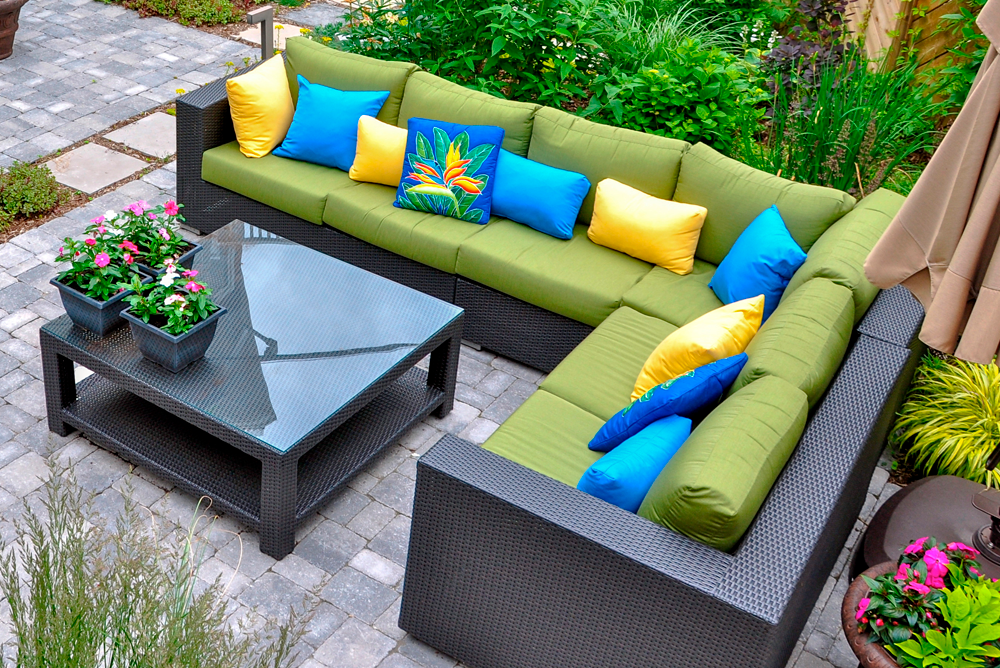
Yes, in many cases, you can put new foam inside old cushion covers. It is a practical way to improve the comfort, shape and appearance of a sofa, chair or

When selecting new cushions for your furniture, the type of foam inside can significantly impact both comfort and longevity. Whether you are replacing worn out sofa cushions or commissioning bespoke
Why caravan cushions flatten, how to spot worn seat foam and which replacement foam can restore comfort, shape and support.

Sagging seat cushions are something most people notice at some point, whether it is a well-used family sofa or a newer piece that just has not held up as expected.
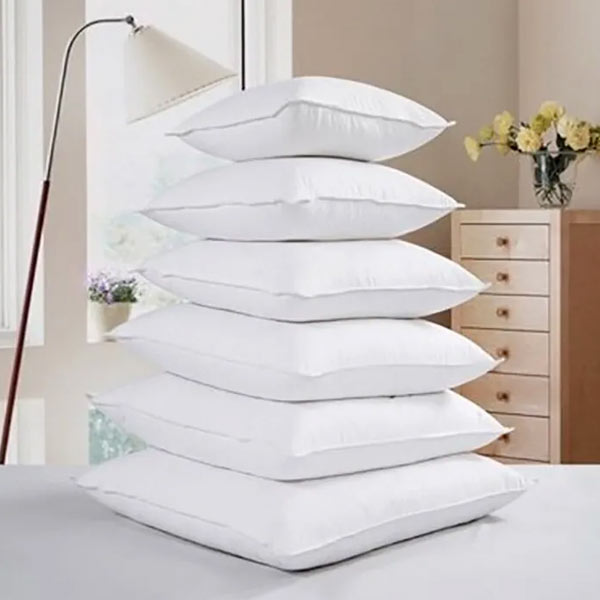
When people shop for new furniture, most of the attention naturally goes towards fabric, colour, and overall design. Seat and cushion foam rarely gets much thought at the buying stage.