Advice
How Much Bigger Should Foam Be Than a Cushion Cover?
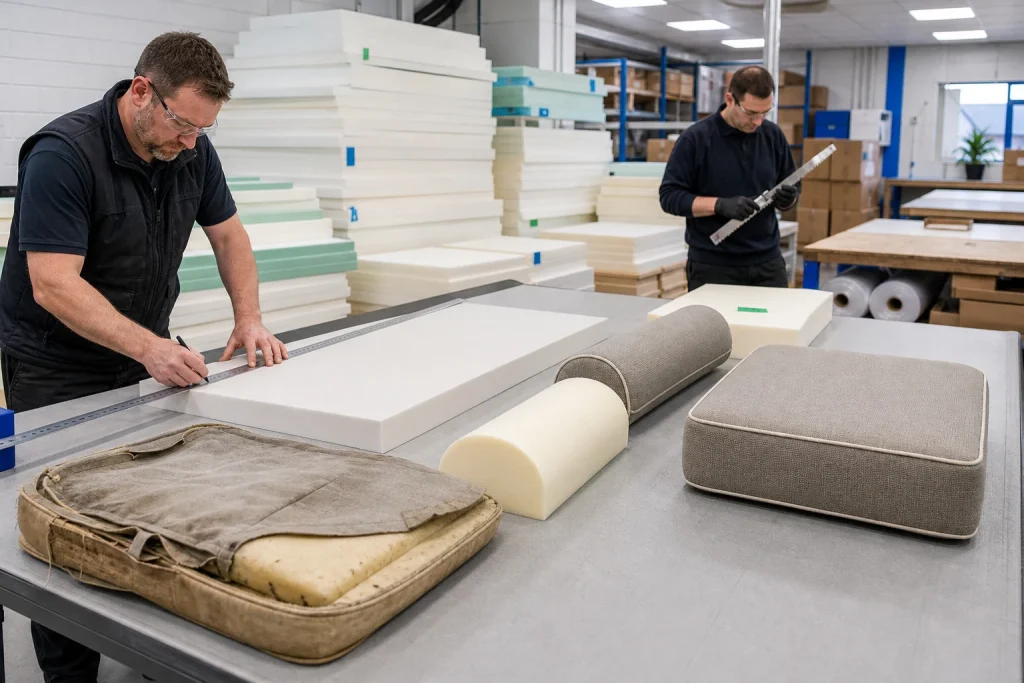
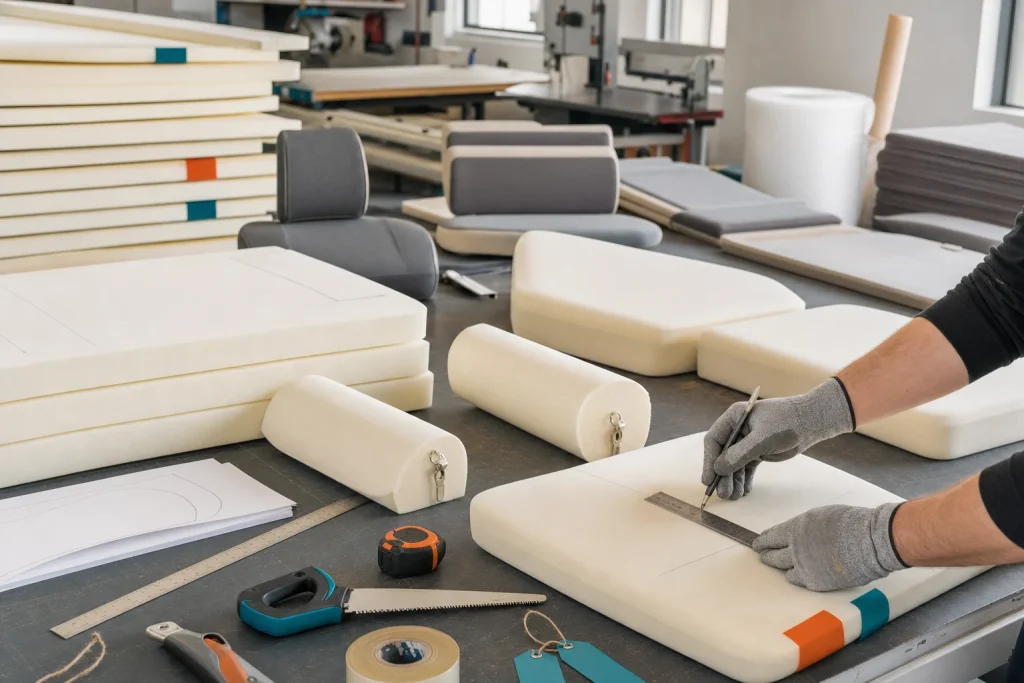
When replacing cushion foam, it can be tempting to order a piece that matches the exact measurements of the cushion cover. In practice, though, foam is often cut slightly larger

When people shop for new furniture, most of the attention naturally goes towards fabric, colour, and overall design. Seat and cushion foam rarely gets much thought at the buying stage.
Yet, over time, it is the foam that largely determines whether a sofa still feels inviting after a few years or starts to feel tired and uncomfortable. Many homeowners only begin to question foam quality once their favourite seat begins to sag or lose its shape.
This is understandable, in a way. Foam is invisible, and it is easy to assume that all cushioning feels more or less the same. In reality, there are significant differences in how foam is made, how long it lasts, and how it performs in everyday use.
These differences may not be obvious in a showroom, but they become very noticeable with regular use at home or outdoors.
Good-quality foam plays a major role in how comfortable a piece of furniture feels from day to day. It supports your weight evenly, helps maintain a healthy sitting posture, and reduces pressure on the hips and lower back.
When foam has the right balance of softness and resilience, it tends to feel welcoming without allowing you to sink too deeply.
Lower-quality foam, on the other hand, often compresses too quickly. It may feel fine at first, but it gradually loses its ability to bounce back.
Over time, this can lead to uneven seating, awkward posture, and that familiar feeling of always sliding into the same worn-out spot on the sofa.
One of the most overlooked benefits of good foam is how much it extends the life of furniture. High-density, well-made foam is designed to recover its shape after repeated use.
This means cushions stay supportive and visually appealing for far longer than cheaper alternatives.
In contrast, low-grade foam tends to break down more quickly. Once it starts collapsing internally, no amount of plumping or rearranging will restore its original form.
At that stage, many people assume the entire sofa or chair needs replacing, when in reality, the problem often lies solely with the foam.
Different types of indoor seating place different demands on foam. A family sofa used every evening needs firmer, more durable foam than an occasional armchair in a spare room.
Dining chairs, home office seats, and window benches also benefit from tailored cushioning that suits how they are used.
Finding the right balance is important. Foam that is too soft may feel luxurious at first, but can lose support quickly.
Foam that is too firm may feel uncomfortable for long periods. Quality suppliers can usually recommend suitable options based on usage, body weight, and personal preference.
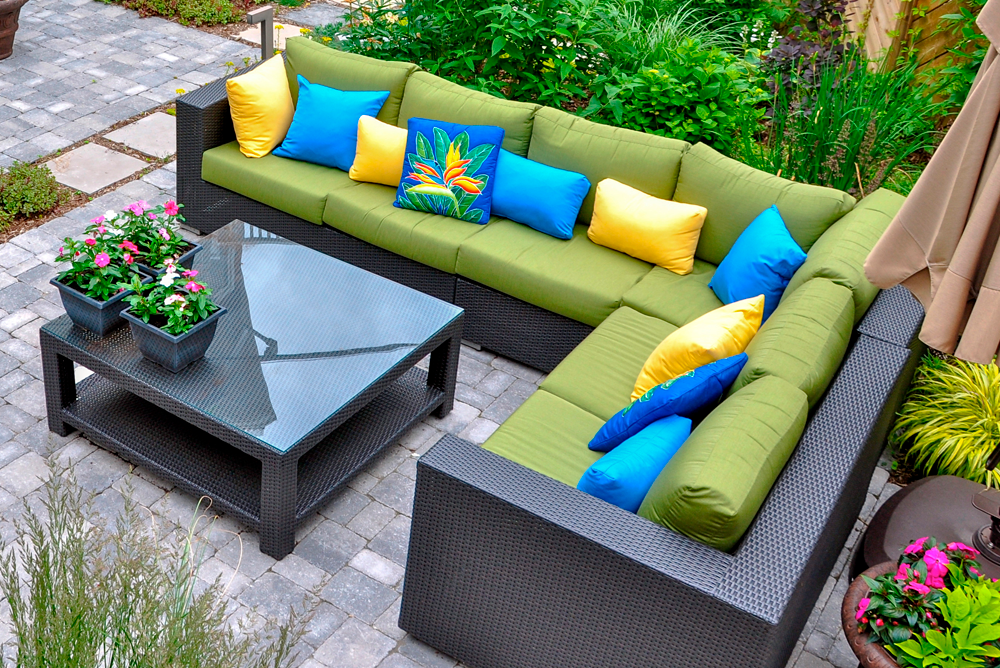
Outdoor cushions face challenges that indoor furniture never encounters. Rain, humidity, sunlight, and temperature changes all place stress on materials.
Standard indoor foam absorbs moisture easily, which can lead to unpleasant odours, mould growth, and slow drying times.
Specialist outdoor foam is designed to cope with these conditions. It allows water to drain, dries more quickly, and resists deterioration from UV exposure.
While it may cost slightly more, it often proves worthwhile for anyone who wants their garden furniture to remain comfortable and usable throughout the seasons.
Foam terminology can be confusing at first, especially for people replacing cushions for the first time.
Density refers to how much material is packed into the foam, and it is closely linked to durability. High density foam usually lasts longer and maintains its shape more effectively.
Firmness, by comparison, describes how soft or hard the foam feels when you sit on it. Two foams can have similar density but feel very different in use.
Understanding this distinction helps buyers avoid assuming that firmer always means better, or that softness automatically equals poor quality.
There are several signs that cushions may be past their best. Sagging centres, uneven surfaces, and a noticeable lack of support are common indicators.
You may also find yourself constantly adjusting cushions to stay comfortable, which often suggests internal breakdown.
Lingering smells, flattened edges, and visible fabric creases can also point to worn-out foam.
In many cases, replacing the inserts rather than the whole piece of furniture can restore comfort and appearance at a fraction of the cost of buying new items.
Price is naturally an important factor when choosing foam, but it should not be the only consideration.
Very cheap foam may seem appealing initially, especially for large seating areas. However, it often needs replacing far sooner, which can make it more expensive in the long run.
A more balanced approach is to consider how often the furniture is used and where it is located.
A main living room sofa or frequently used garden set may justify higher-quality foam, while occasional seating may not require the same level of investment.

Supportive foam does more than improve comfort. It also plays a role in maintaining healthy posture.
When seating supports the spine and hips properly, it can reduce strain on muscles and joints, particularly during long periods of sitting.
Poor cushioning, by contrast, may encourage slouching and uneven weight distribution. Over time, this can contribute to aches, stiffness, and fatigue.
While foam alone cannot solve posture issues, it is likely to make a noticeable difference in everyday comfort and wellbeing.
Looking after foam cushions properly can significantly extend their lifespan. Rotating and flipping cushions helps distribute wear more evenly.
Using protective covers and keeping furniture away from excessive heat or moisture also reduces unnecessary damage.
For outdoor seating, storing cushions indoors during winter and heavy rain is especially important.
Regular cleaning and allowing cushions to dry fully before storage can prevent mould and odour problems, helping them stay fresh and supportive for longer.
Foam quality may not be the most visible part of furniture, but it is arguably one of the most important. From daily comfort to long-term durability, the right foam can transform how seating feels and performs over time.
It is often the difference between furniture that ages gracefully and furniture that quickly becomes frustrating to use.
By understanding how foam works and choosing materials suited to your needs, you are more likely to make informed, lasting decisions.
Whether for a living room sofa or a garden bench, investing in quality foam is often an investment in comfort that genuinely lasts.
When replacing cushion foam, it can be tempting to order a piece that matches the exact measurements of the cushion cover. In practice, though, foam is often cut slightly larger
Yes, in many cases, you can put new foam inside old cushion covers. It is a practical way to improve the comfort, shape and appearance of a sofa, chair or

When selecting new cushions for your furniture, the type of foam inside can significantly impact both comfort and longevity. Whether you are replacing worn out sofa cushions or commissioning bespoke
Why caravan cushions flatten, how to spot worn seat foam and which replacement foam can restore comfort, shape and support.
Learn how density, cushion shape, bolsters and bull-nose edges affect caravan seat foam comfort on long journeys and overnight stays.

Sagging seat cushions are something most people notice at some point, whether it is a well-used family sofa or a newer piece that just has not held up as expected.