The Ultimate Guide to Choosing Upholstery Foam

When it comes to creating comfortable and inviting seating, the role of upholstery foam cannot be overstated. Whether you’re revamping an old sofa or crafting a custom cushion, the type of foam you choose influences not only the comfort but also the aesthetics and longevity of the final product. With a plethora of options available, navigating the world of upholstery foam might seem daunting. Fear not—this ultimate guide is here to demystify the process, helping you make informed choices that lead to exceptional seating experiences.

Understanding Upholstery Foam:

Before diving into the specifics, it’s essential to grasp the basics of upholstery foam. Foam is the core material that provides cushioning and support to furniture, from sofas and chairs to mattresses and cushions. It’s the secret ingredient that turns a hard surface into a cosy haven, making it a crucial consideration for any seating project.

Types of Upholstery Foam:

  1. Polyurethane Foam: This is one of the most common types of upholstery foam. It comes in various densities, offering options for varying levels of support and comfort. High-density polyurethane foam is known for its durability, making it suitable for heavily used furniture.
  2. Memory Foam: Memory foam is renowned for its ability to contour to the body’s shape, providing personalised comfort. While it’s commonly used in mattresses, it can also be employed in cushions for added luxury.
  3. Latex Foam: Latex foam is a natural option made from rubber tree sap. It’s hypoallergenic, resistant to dust mites, and offers a supportive yet responsive feel. However, it’s worth noting that latex foam can be more expensive.
  4. Polyester Foam: Polyester foam is often used as a budget-friendly option. While it might not offer the same level of longevity as other foams, it can still provide decent comfort for certain applications.
  5. Foam Blend: Foam blends combine different types of foam to offer a balance of comfort, support, and cost-effectiveness. They aim to capitalise on the strengths of each foam type.

Considerations When Choosing Upholstery Foam:

  1. Density: Foam density refers to how much a cubic foot of foam weighs. Higher density foams tend to be more durable and offer better support. Low-density foams, while softer, might wear out more quickly.
  2. Resilience: Resilience, often referred to as “bounce back,” measures how well the foam recovers its shape after being compressed. This property is crucial for maintaining a cushion’s appearance over time.
  3. Durability: Consider the intended use of the furniture. Furniture that sees heavy use, like sofas or chairs, benefits from high-density foam. For decorative pillows or accent pieces, lower density foam might suffice.
  4. Comfort: Comfort is subjective. Some individuals prefer a softer sit, while others prefer more support. It’s advisable to test different foam types and densities to determine your personal preference.
  5. Application: The type of furniture and its intended use play a significant role. Outdoor furniture requires weather-resistant foam, while mattresses benefit from memory foam or latex for comfort and support.
  6. Environmental Impact: If sustainability is a concern, look for eco-friendly foam options made from natural or recycled materials.

The Importance of Proper Fit:

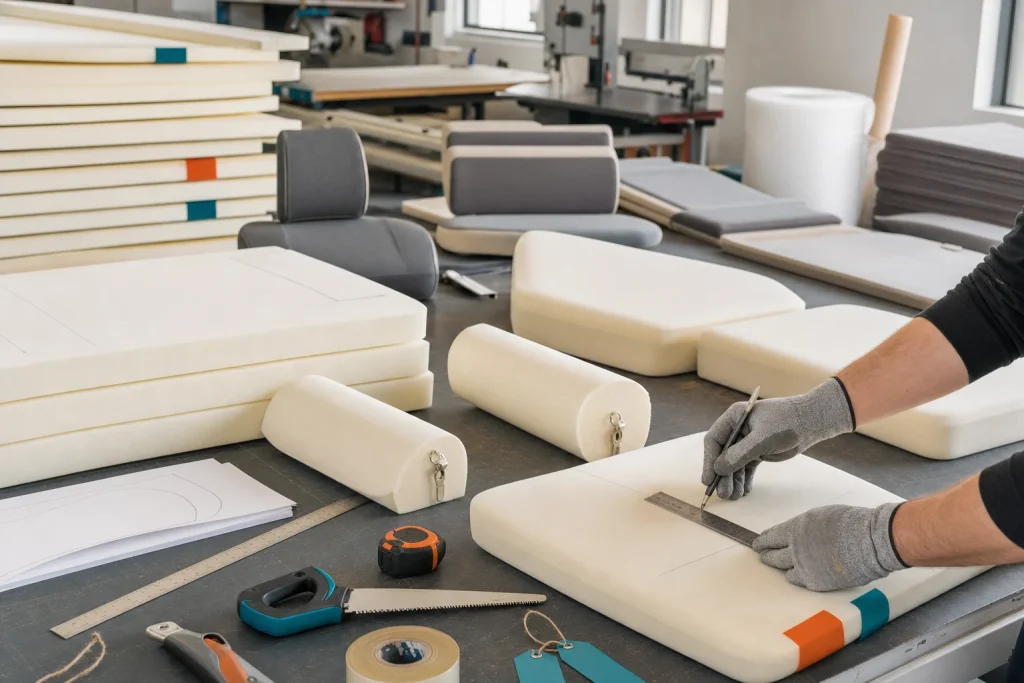
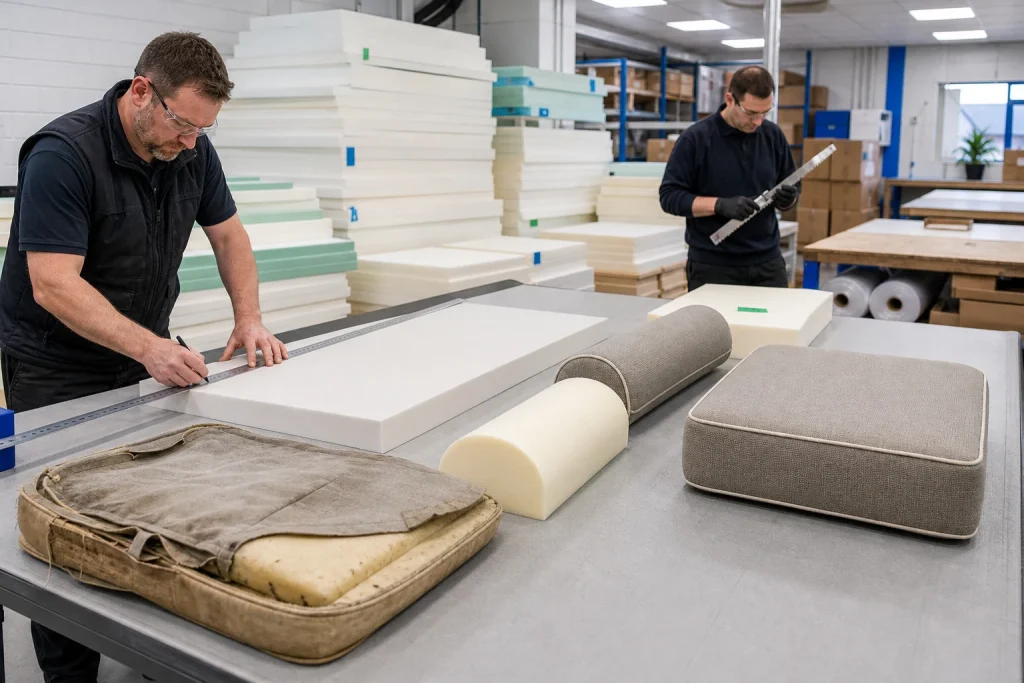
Customization is a hallmark of quality upholstery. Foam that’s cut to the exact dimensions of your furniture ensures a snug and polished appearance. Ill-fitting foam can lead to sagging, uneven wear, and discomfort. Many suppliers offer custom cutting services to guarantee a precise fit.

Longevity and Maintenance:

Quality foam contributes to the longevity of your furniture. High-density foams tend to last longer, making them a wise investment for pieces that see frequent use. Proper maintenance, such as rotating cushions and avoiding prolonged direct sunlight, can further extend the life of your foam and furniture.

Investing in Quality:

While budget considerations are essential, remember that upholstery foam is an investment in your comfort and the durability of your furniture. High-quality foam might come with a higher upfront cost, but it pays off in terms of lasting comfort and reduced need for replacements.

Conclusion:

Choosing the right upholstery foam is an art that involves balancing comfort, support, and aesthetics. By understanding foam types, densities, and considering the specific requirements of your furniture, you’re equipped to make informed decisions that result in exceptional seating experiences. Whether you’re revitalising an old piece or creating something entirely new, the right upholstery foam elevates your creation, transforming it from a functional item into a haven of comfort and style.