
Advice
How to Fix Sagging Seat Cushions Without Replacing Your Sofa
Sagging seat cushions are something most people notice at some point, whether it is a well-used family sofa or a newer piece that just has not held up as expected.

Sofa cushions tend to be one of those things people don’t think about until they start feeling uncomfortable. At first, it might just be a slight dip or a lack of support, but over time, it becomes quite noticeable.
The foam inside your cushions plays a big role in how your sofa feels day to day, so when it begins to wear out, the whole piece of furniture can feel tired.
There’s also a financial side to consider. Replacing an entire sofa can be expensive, especially when the frame and upholstery are still in good condition. In many cases, it makes more sense to look at the cushion foam itself.
Understanding how long it should last can help you make a more informed decision rather than replacing furniture unnecessarily.
Most sofa cushions in the UK are made using polyurethane foam, which is widely used due to its flexibility and affordability. Within that category, there are different grades and densities, ranging from low-cost options to higher quality, long-lasting foam.
Some sofas may also use a combination of foam and fibre to create a softer, more relaxed feel.
The type of foam used has a direct impact on durability. High-density foam, for example, tends to hold its shape better and offers more consistent support over time.
Lower-density foam might feel comfortable initially, but it often begins to soften and break down more quickly, particularly in frequently used seating areas.
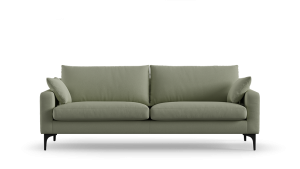
On average, sofa cushion foam can last anywhere between three and ten years. That range might seem quite broad, but it largely depends on the quality of the foam and how the sofa is used.
Budget sofas often contain lower-density foam, which may start to lose its structure within a few years.
Higher-quality foam, especially when properly maintained, can last much longer. It’s not uncommon for well-made cushions to remain comfortable for closer to a decade.
That said, even the best foam will gradually degrade over time, so some level of wear is always expected.
One of the biggest factors is how often the sofa is used. A sofa in a busy family living room will naturally wear out faster than one in a spare room.
The weight placed on the cushions also matters, as repeated pressure can cause the foam to compress and lose its resilience.
Environmental conditions can also play a role. Exposure to sunlight, heat, and even humidity may affect how the foam performs over time.
While these factors might not seem obvious, they can gradually contribute to the breakdown of the material, especially if the sofa is positioned near windows or radiators.
Sagging is usually the most obvious sign that the foam is no longer doing its job. If you find yourself sinking into the sofa or needing to constantly adjust the cushions, the internal structure has likely weakened.
Over time, the cushions may also struggle to return to their original shape after use.
Another sign is a noticeable drop in comfort. What once felt supportive may now feel uneven or overly soft. In some cases, you might even feel the base of the sofa beneath you.
These changes tend to happen gradually, so it’s easy to overlook them until the difference becomes quite stark.
There are a few simple habits that can help extend the lifespan of your cushion foam.
Rotating and flipping cushions regularly can distribute wear more evenly, which may prevent certain areas from breaking down too quickly. This is especially useful for sofas that are used daily.
Using throws or covers can also provide an extra layer of protection against spills, dirt, and general wear.
While these steps won’t stop the foam from ageing altogether, they can slow the process down and help maintain comfort for longer than you might expect.
If the sofa frame is still solid and the upholstery is in decent condition, replacing the foam can be a sensible option.
It’s often far more cost-effective than buying a brand-new sofa, and the difference in comfort can be surprisingly noticeable. In some cases, it can make an older sofa feel almost new again.
However, there are situations where a full replacement might be the better choice. If the frame is damaged or the fabric is heavily worn, investing in new foam alone may not solve the underlying issues.
It really comes down to the overall condition of the furniture and whether it’s worth preserving.

When selecting replacement foam, density is one of the most important factors to consider.
Higher-density foam tends to offer better support and longevity, which may be worth the slightly higher upfront cost. Firmness is another consideration, as different seating preferences will require different levels of support.
Custom-cut foam is often the best option if you want a precise fit. Off-the-shelf cushions might seem convenient, but they don’t always match the exact size or shape of your existing covers.
Having foam cut to size can improve both comfort and appearance, giving your sofa a more tailored and finished look.
Sofa cushion foam doesn’t last forever, but it doesn’t need to be replaced as often as some might assume.
With the right quality foam and a bit of care, it can provide several years of reliable comfort. Understanding the signs of wear and the factors that influence lifespan can help you stay ahead of any issues.
Rather than rushing to replace an entire sofa, it’s often worth considering whether new foam could do the job.
It’s a practical solution that may save money while restoring comfort. In many cases, a simple upgrade inside the cushions is all it takes to bring a sofa back to life.
Sagging seat cushions are something most people notice at some point, whether it is a well-used family sofa or a newer piece that just has not held up as expected.
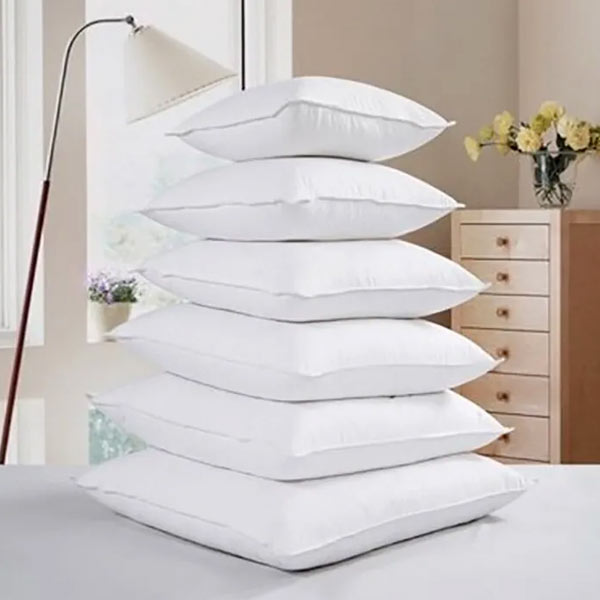
When people shop for new furniture, most of the attention naturally goes towards fabric, colour, and overall design. Seat and cushion foam rarely gets much thought at the buying stage.

Outdoor cushions tend to live a harder life than indoor ones, even when they look fairly sheltered. Sunlight is often the biggest culprit, as UV rays slowly weaken fabric fibres
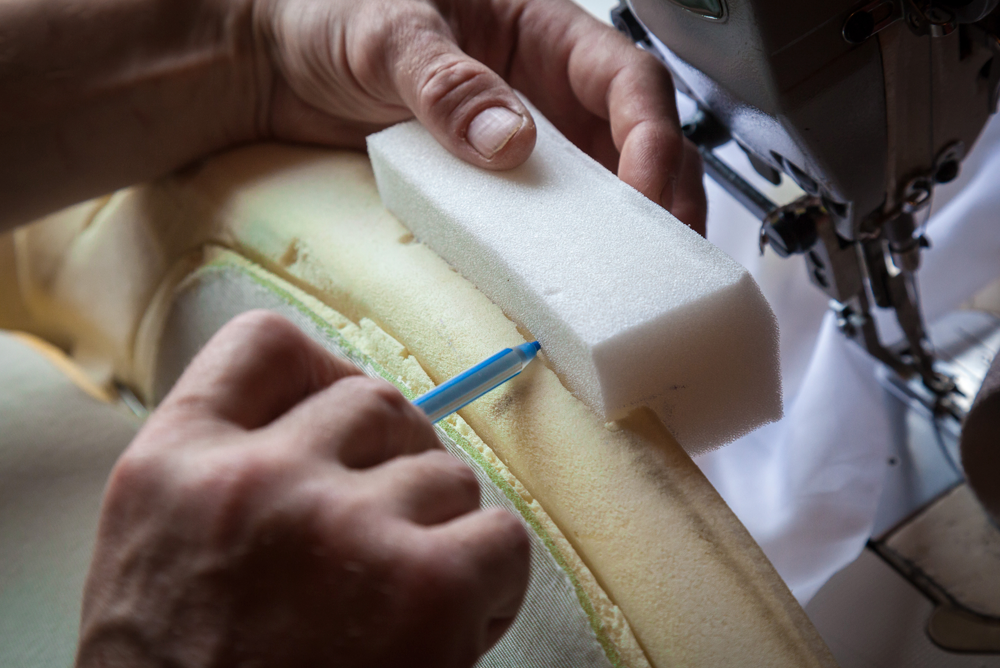
Replacing a tired chair or sofa cushion sounds like it should be straightforward. Pick “soft”, “medium” or “firm”, pop the new foam in, and enjoy that fresh, supportive feel again.
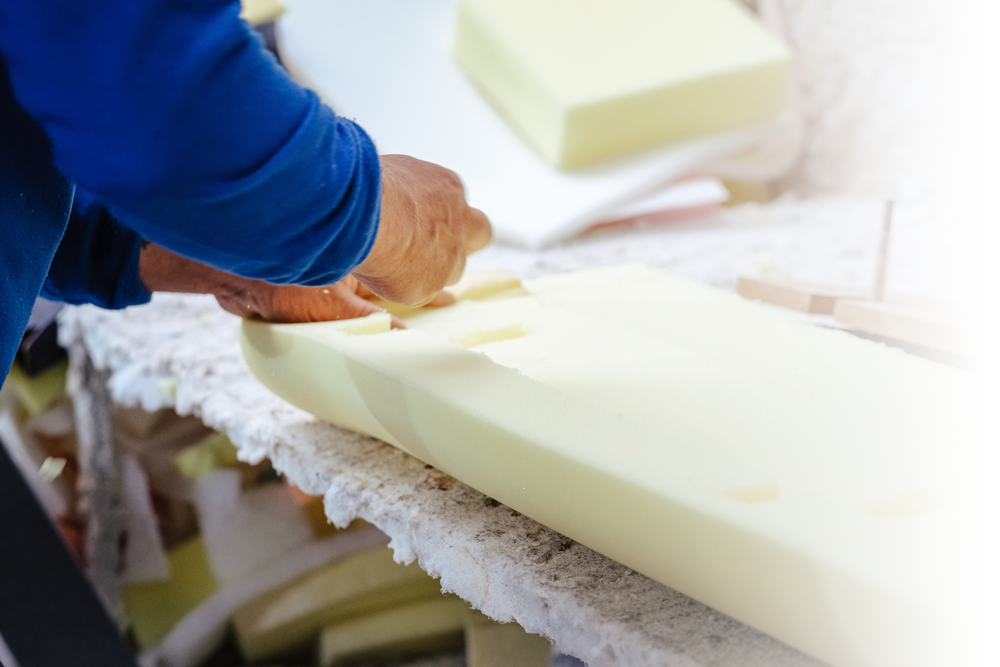
Accurate measurements are essential when replacing foam in your cushion covers. Even a small mistake can lead to foam that either bulges awkwardly or fails to fill the cover properly,

The gentle sway of the water, the salty breeze in your hair—there’s something undeniably enchanting about setting sail on a boat or yacht. As you embark on aquatic adventures, comfort