Advice
How Much Bigger Should Foam Be Than a Cushion Cover?
When replacing cushion foam, it can be tempting to order a piece that matches the exact measurements of the cushion cover. In practice, though, foam is often cut slightly larger

Accurate measurements are essential when replacing foam in your cushion covers. Even a small mistake can lead to foam that either bulges awkwardly or fails to fill the cover properly, leaving the cushion looking deflated.
Taking the time to measure carefully ensures the new foam fits neatly, supports comfortably, and restores the overall appearance of your furniture.
Many people underestimate how cushions change shape over time, with the fabric stretching while the foam compresses.
This means relying on the old foam for guidance is rarely reliable. Using a step-by-step approach to measure the cover instead ensures you get the most precise results and a professional-looking finish.
To start, you’ll need a tape measure, a pen, and some paper to note your measurements. A flexible tape measure is best, as it allows you to follow the natural shape of the cushion cover.
If the cushion has piping or curved sections, using a soft tape makes it easier to measure properly.
It’s also helpful to check whether the cushion has a sewn-in structure or is simply a loose cover with a zip.
Sewn cushions may have internal seams that affect how you measure the edges, while loose covers can be laid completely flat. Identifying which type you have ensures a more accurate approach from the outset.
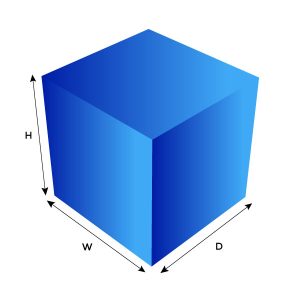
To measure the width, lay the cushion cover out flat and smooth it with your hands. Measure from seam to seam across the widest part of the cover.
Avoid stretching the fabric too much, as you want a measurement that reflects the natural shape rather than an artificially widened one.
If the cushion has softened with age, the cover may appear larger than it once was.
Take care to measure only the seam-to-seam distance rather than including any excess fabric created by wear. This helps ensure the new foam returns the cushion to its intended dimensions.
Next, measure the depth, also known as the front-to-back dimension. Place the cushion cover flat and measure from the front seam to the back seam.
Make sure the cover is lying evenly so you don’t inadvertently add or lose a centimetre.
Cushions with piping or slightly curved fronts can be trickier, but the measurement method remains the same.
Always follow the natural edge of the cushion and avoid pulling the fabric taut. This ensures the foam fits snugly without creating pressure points that distort the cover.
The thickness, or loft, is a key measurement that affects both comfort and appearance. If the original cushion has flattened, you’ll need to estimate the original thickness, which is often stated by furniture manufacturers or can be inferred by inspecting the seams.
A typical seat cushion ranges from 10–15 cm thick, though this varies by design.
When choosing the replacement foam thickness, consider rounding up slightly if the cushion has noticeably lost its shape.
Foam naturally compresses over time, so selecting the closest full size above your estimated measurement generally gives the best visual result.
Standard shapes, such as square or rectangular cushions, are straightforward to measure, as they follow clean, straight edges.
In these cases, simple seam-to-seam measurements in each direction will usually suffice to create a perfectly fitted foam insert.
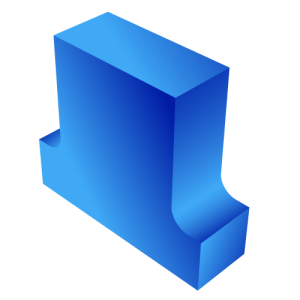
For more unusual shapes such as round cushions, L-shaped pieces, or bay-window seating, you’ll need to measure multiple points.
Taking a few additional measurements around curves or across angled sections helps create an accurate template, ensuring the foam fits the unique contours of the cover.
Foam density influences how tightly the cushion will fill the cover. High desnsity foam maintains its shape better and may require slightly reduced measurements to avoid excessive strain on the zip.
Softer foams compress more, so they can usually be ordered closer to the exact cover size.
Some covers are designed to fit very tightly so that the cushion appears smooth with no creases. In such cases, small adjustments may be needed to achieve that tailored look.
Understanding how firmness and foam behaviour interact ensures your finished cushion sits properly without sagging or straining.
A frequent mistake is measuring the old foam instead of the cushion cover itself. Foam shrinks, warps, and softens, making it an unreliable reference.
The cover, however, keeps its intended shape, so it should always guide the replacement measurements.
Another issue arises when zip allowances, internal seams, or gusset panels are ignored. These small structural details alter the internal dimensions of the cushion and must be taken into account when measuring.
Overlooking them can result in poorly fitting foam that either shifts inside the cover or sits unevenly.

If your cushions have complex shapes, unusual stitching, or multiple joins, a professional foam cutter can help refine your measurements and ensure accuracy.
They can also advise on the most suitable foam type for the cushion’s intended use, whether decorative or supportive.
Likewise, if you’re uncertain whether the cover has stretched or the cushion has lost too much structure to measure confidently, expert help can save time and prevent costly mistakes.
Professionals handle these issues routinely and can provide reassurance that your measurements are correct.
Taking accurate measurements is the foundation of a well-fitted foam replacement, ensuring your cushions regain their comfort and structure.
By following a clear process and paying attention to seams, shape, and thickness, you’ll be well on your way to achieving a precise fit.
Before ordering your replacement foam, double-check each measurement and consider how the foam density and cover tightness will affect the final appearance.
Care and attention at this stage lead to a better-finished cushion that will last for years.
When replacing cushion foam, it can be tempting to order a piece that matches the exact measurements of the cushion cover. In practice, though, foam is often cut slightly larger

Yes, in many cases, you can put new foam inside old cushion covers. It is a practical way to improve the comfort, shape and appearance of a sofa, chair or

When selecting new cushions for your furniture, the type of foam inside can significantly impact both comfort and longevity. Whether you are replacing worn out sofa cushions or commissioning bespoke
Why caravan cushions flatten, how to spot worn seat foam and which replacement foam can restore comfort, shape and support.
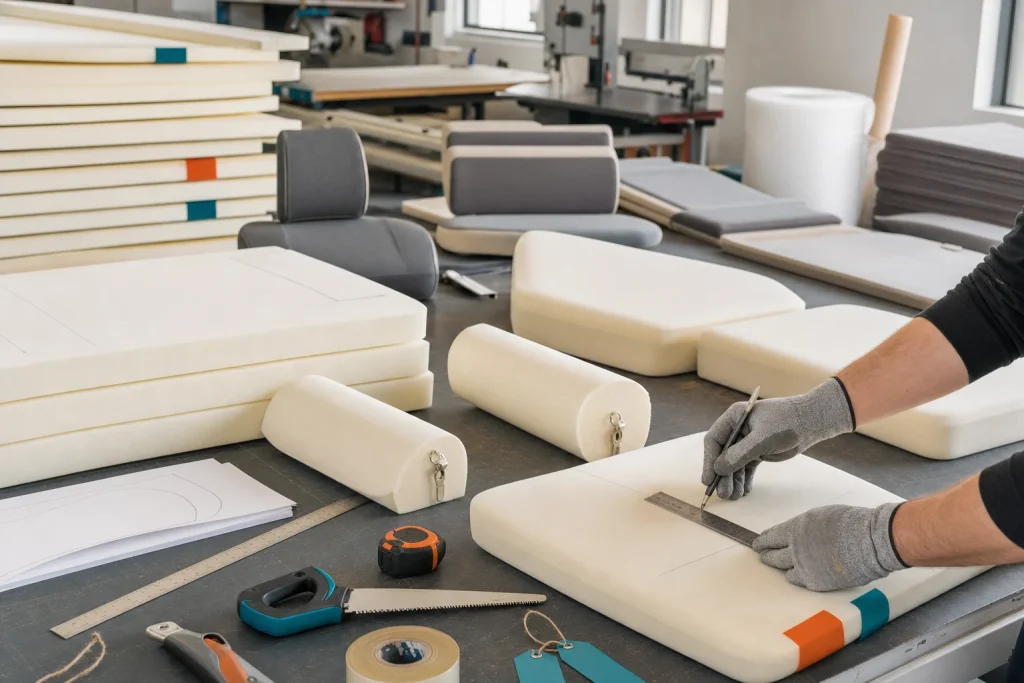
Learn how density, cushion shape, bolsters and bull-nose edges affect caravan seat foam comfort on long journeys and overnight stays.

Sagging seat cushions are something most people notice at some point, whether it is a well-used family sofa or a newer piece that just has not held up as expected.