Advice
How Much Bigger Should Foam Be Than a Cushion Cover?
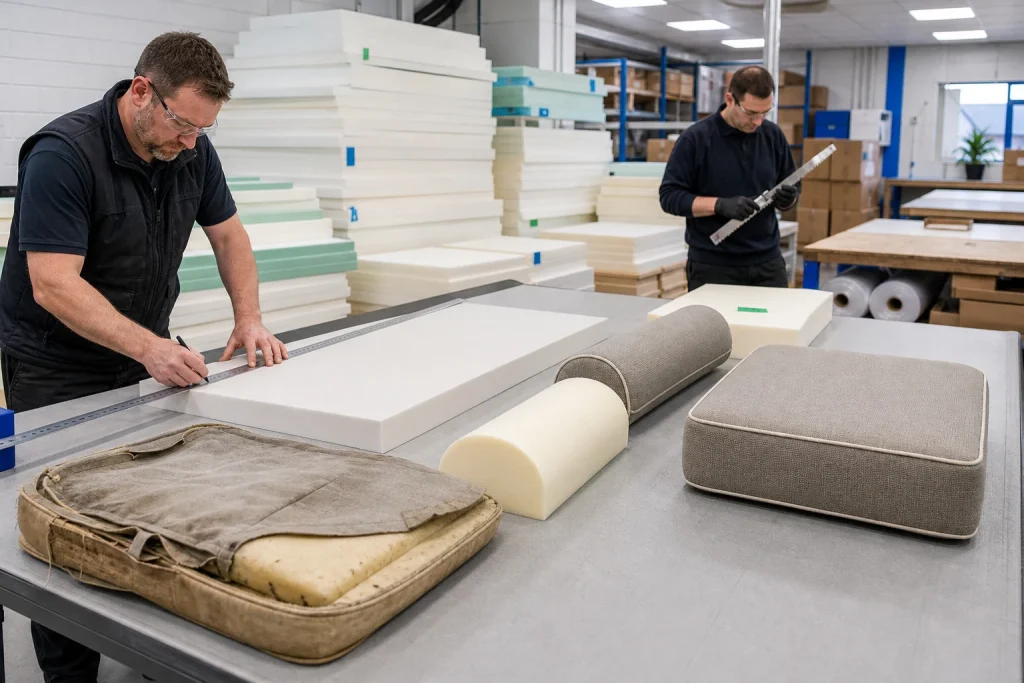
When replacing cushion foam, it can be tempting to order a piece that matches the exact measurements of the cushion cover. In practice, though, foam is often cut slightly larger

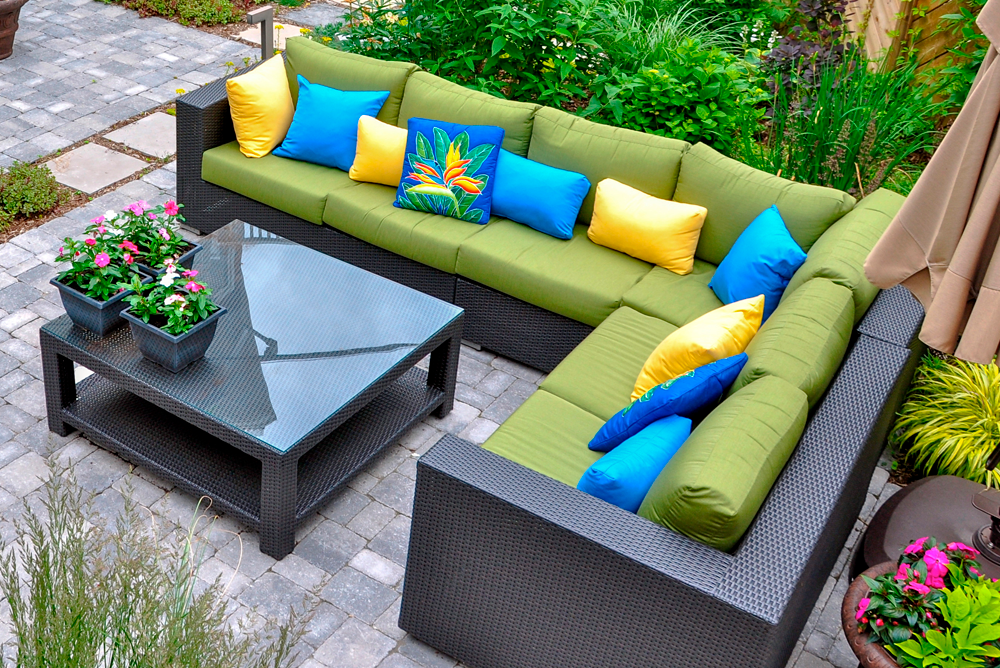
Outdoor cushions tend to live a harder life than indoor ones, even when they look fairly sheltered. Sunlight is often the biggest culprit, as UV rays slowly weaken fabric fibres and dry out the foam inside.
Over time, colours fade, and the cushion may start to feel less supportive, even though it still looks usable at a glance.
Rain and temperature changes also play a part. Moisture can work its way into seams and sit inside the foam, especially after repeated showers.
When cushions dry out in warm weather, the constant expansion and contraction appear to speed up wear, leaving them flat or misshapen sooner than you might expect.
Not all cushion foam is designed to cope with outdoor conditions, and this is often overlooked when replacing garden cushions. Softer foams may feel comfortable at first, but they tend to absorb water more easily and lose their shape faster.
A firmer, high density foam is usually better suited to outdoor seating, even if it feels slightly less plush to begin with.
Water resistance also matters more than people realise. Some outdoor foams are made to allow water to pass through and drain away, which can reduce drying times after rain.
While these options may cost a little more upfront, they often last longer, which makes them a sensible choice in the long run.
Protective covers can make a noticeable difference, particularly during periods of heavy rain or strong sun. Removable covers allow you to take off and wash the outer layer without disturbing the foam, which helps keep everything fresher for longer.
They also act as a first line of defence against dirt, pollen and bird droppings.
Storage is another area where small habits matter. Even in summer, there are times when storing cushions indoors or in a weatherproof box is worthwhile.
Bringing them in overnight or during prolonged bad weather may feel like a hassle, but it often prevents the slow build-up of moisture that leads to mould and unpleasant smells.
Regular cleaning helps extend the life of outdoor cushions, but it needs to be done with care. Mild soapy water and a soft brush are usually enough to lift surface dirt without damaging the fabric.
Rinsing thoroughly and allowing cushions to dry fully seems to reduce the risk of residue building up over time.
What often causes problems is over-cleaning or using harsh products. Strong detergents and pressure washers can weaken stitching and force water deep into the foam.
Once moisture is trapped inside, cushions may take days to dry, which increases the chance of internal damage even if the surface looks clean.
Moisture is one of the biggest threats to outdoor cushions, especially in the UK climate. Even light rain or morning dew can leave cushions damp for longer than expected.
If this moisture is not allowed to escape, mould and mildew may begin to form beneath the surface, often before you notice any visible signs.
Improving airflow can help more than people realise. Standing cushions on their sides after rain and avoiding stacking them while damp allows air to circulate.
Where possible, placing them in a sunny, breezy spot speeds up drying and appears to reduce long-term moisture issues.
Outdoor seating is rarely used evenly, and this can lead to certain cushions wearing out faster than others. Seats in direct sunlight or in the most popular spots tend to compress more quickly.
Over time, this uneven use may cause cushions to sag or lose their original shape.
Rotating cushions every few weeks is a simple way to spread wear more evenly. Swapping seat cushions around and flipping them if the design allows can help maintain comfort for longer.
It is an easy habit to forget, but one that often makes a noticeable difference.

There comes a point when cleaning and care are no longer enough, but that does not always mean replacing everything.
If the covers are still in good condition and the foam has only lost some firmness, replacing the foam alone may be a practical option. This approach is often cheaper and creates less waste.
However, there are signs that full replacement is likely the better choice. Persistent mould smells, severe sagging or crumbling foam suggest the cushion has reached the end of its life.
At that stage, starting fresh with more suitable outdoor materials may save time and frustration in the long run.
When replacing cushion foam, it can be tempting to order a piece that matches the exact measurements of the cushion cover. In practice, though, foam is often cut slightly larger
Yes, in many cases, you can put new foam inside old cushion covers. It is a practical way to improve the comfort, shape and appearance of a sofa, chair or

When selecting new cushions for your furniture, the type of foam inside can significantly impact both comfort and longevity. Whether you are replacing worn out sofa cushions or commissioning bespoke
Why caravan cushions flatten, how to spot worn seat foam and which replacement foam can restore comfort, shape and support.
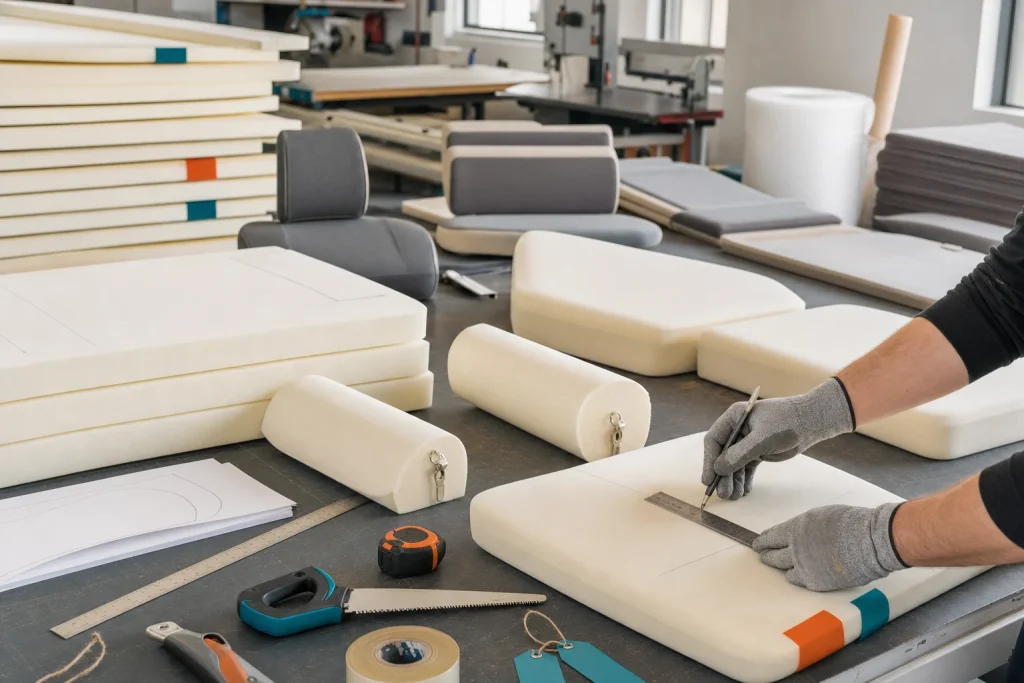
Learn how density, cushion shape, bolsters and bull-nose edges affect caravan seat foam comfort on long journeys and overnight stays.

Sagging seat cushions are something most people notice at some point, whether it is a well-used family sofa or a newer piece that just has not held up as expected.