Sagging seat cushions are something most people notice at some point, whether it is a well-used family sofa or a newer piece that just has not held up as expected.
One day it feels comfortable, and the next it seems to dip in all the wrong places. It can make the whole room look a bit tired, even if the rest of the furniture is in good condition.
The good news is that this does not always mean you need to replace your sofa entirely. In many cases, the issue is isolated to the cushions or the support beneath them.
With a few practical adjustments or upgrades, it is often possible to bring back both comfort and appearance without spending a fortune on new furniture.
What Causes Seat Cushions to Sag?
There are a few common reasons why seat cushions begin to sag, and it often comes down to the materials used inside them. Lower-density foam tends to break down more quickly, especially with daily use.
Over time, it loses its ability to bounce back, which is when you start to notice that sunken look and feel.
– Check out our High Density Foam
Usage also plays a part. If the same spot is used every day, the pressure builds up in that one area, causing uneven wear. On top of that, the structure beneath the cushions, such as springs or webbing, may weaken over time.
Even if the foam is still in decent condition, poor support underneath can make the cushions feel far worse than they actually are.
Signs Your Cushions Need Attention
Sagging is not always just about how the sofa looks. You might notice that sitting down feels less supportive, or that you tend to sink into certain areas more than others.
It can even lead to discomfort after sitting for a while, particularly if the cushion no longer distributes weight evenly.
Visually, there are usually a few clear signs. Cushions may appear flat, misshapen, or slightly lumpy. They might not hold their original form when you stand up, or they may take longer to recover their shape.
Spotting these early can make a difference, as small fixes tend to be more effective before the materials degrade further.
Quick Fixes You Can Try First
Before jumping into replacements, it is worth trying a few simple fixes. Rotating and flipping your cushions regularly can help spread the wear more evenly.
It may not completely solve the issue, but it often improves the overall feel and prevents one area from worsening too quickly.
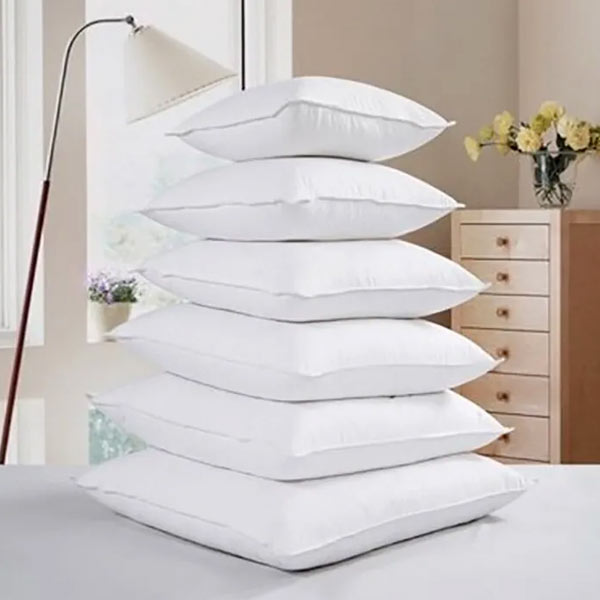
You can also try plumping the cushions by hand, especially if they contain fibre filling. Shifting the filling around can restore some of the lost shape.
In some cases, swapping cushions between seats can even out the wear pattern, which might make the sofa feel more balanced again.
Adding Extra Support Underneath
Sometimes the problem is not the cushion itself, but what sits beneath it. If the base of the sofa has started to sag, the cushions will naturally follow.
Adding a simple support layer, such as a sheet of plywood or a purpose-made sofa support panel, can make a noticeable difference almost immediately.
This approach works by creating a firmer, more stable foundation. It helps distribute weight more evenly and reduces the strain on the cushion foam. While it may not completely restore a heavily worn sofa, it often improves comfort enough to extend its usable life.
Replacing or Upgrading Cushion Filling
If the foam inside your cushions has clearly worn out, replacing or upgrading it is usually the most effective solution.
New foam inserts can bring back the original firmness and shape, and higher-density foam tends to last much longer than cheaper alternatives. It might cost a bit more upfront, but it often pays off over time.
Another option is to add a layer of fibre wrap around the foam. This can soften the feel slightly while still maintaining support.
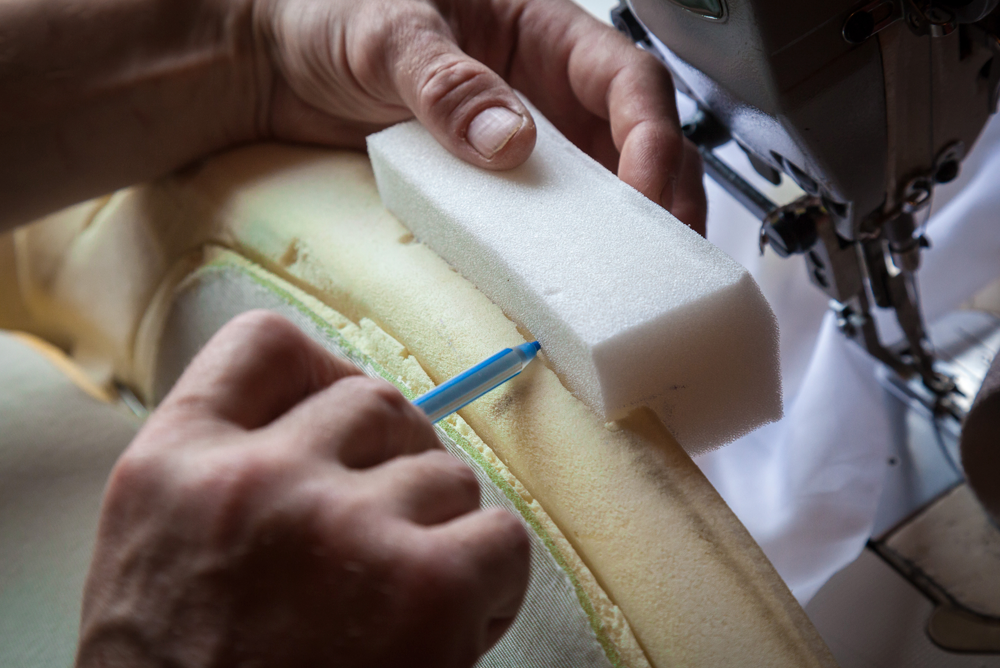
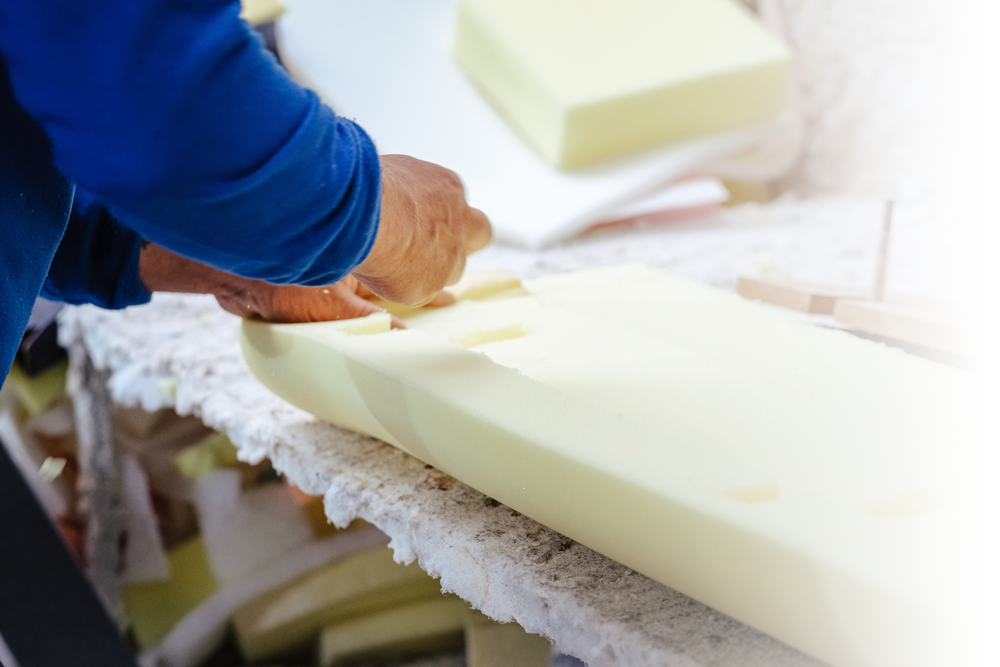
Custom-cut cushion foam is also worth considering, especially if your cushions are an unusual size. It allows you to reuse your existing covers while improving the overall comfort of the sofa.
DIY vs Professional Solutions
Many cushion fixes can be handled at home, especially if you are simply rotating cushions, adding support, or swapping out foam inserts.
Basic tools and a bit of patience are usually enough. For straightforward jobs, a DIY approach can save money and still produce solid results.
That said, there are situations where professional help may be the better option. If the sofa frame is damaged or the cushions require precise tailoring, an upholsterer can ensure everything fits properly and looks right.
While it comes at a higher cost, it can sometimes be the difference between a short-term fix and a long-lasting solution.
Preventing Cushions from Sagging Again
Once you have improved your cushions, it is worth putting a few habits in place to keep them in better condition.
Rotating and flipping them regularly is one of the simplest ways to prevent uneven wear. Even small actions like changing where you sit can help distribute pressure more evenly over time.
Choosing better-quality materials also makes a difference. If you are replacing foam, opting for a higher-density option is likely to extend its lifespan.
Keeping cushions clean and well-maintained, and avoiding constant pressure in one spot, can go a long way in keeping your sofa comfortable for longer.
Conclusion
Sagging seat cushions can be frustrating, but they do not necessarily mean the end of your sofa.
In many cases, the issue can be traced back to worn fillings or a lack of support, both of which can be addressed without replacing the entire piece of furniture.
By trying a few simple fixes or upgrading the materials inside your cushions, you can often restore both comfort and appearance.
It is usually a case of identifying the cause and choosing the right solution, rather than jumping straight to buying something new.